
Véronique Matteudi - Contemporary Art
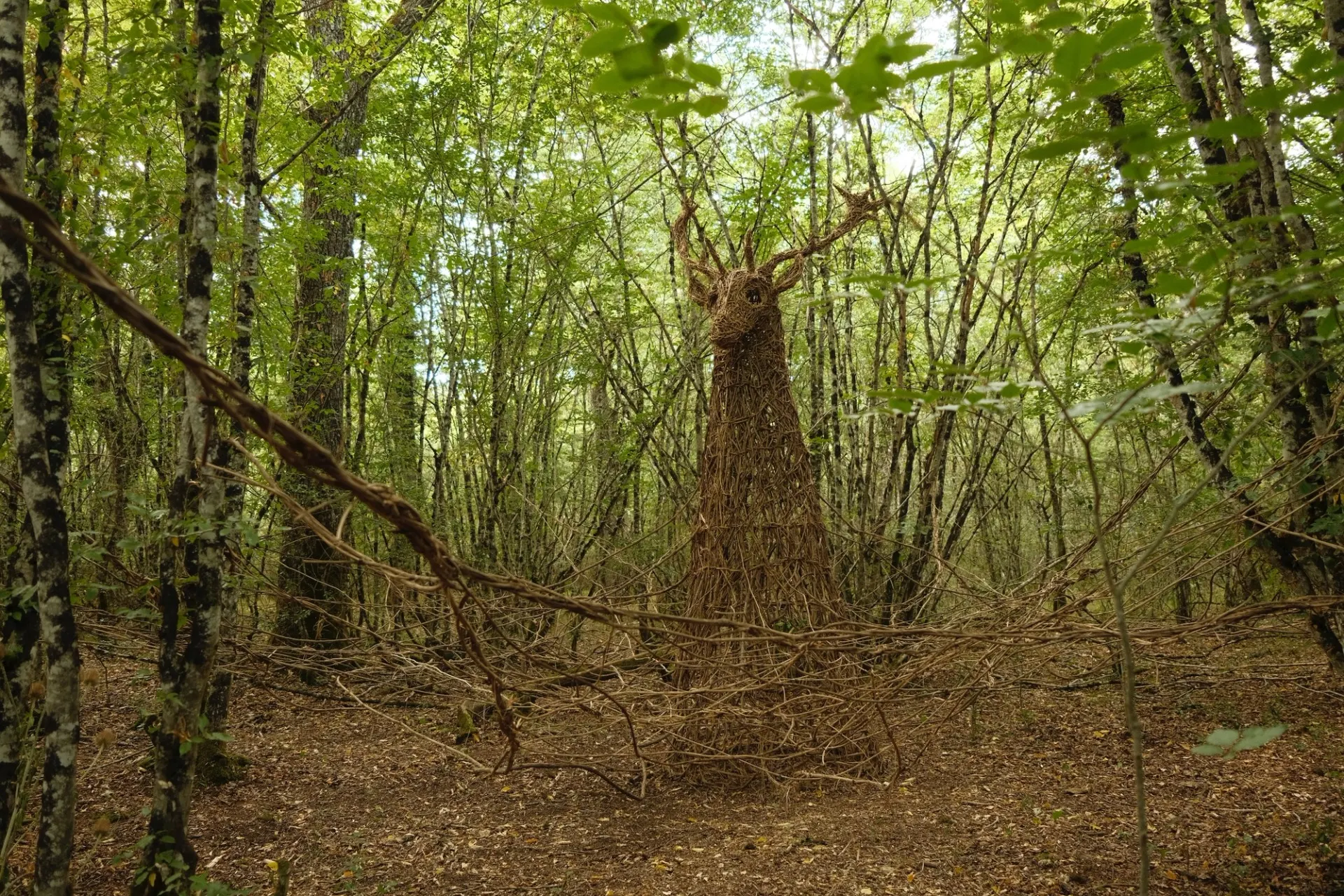
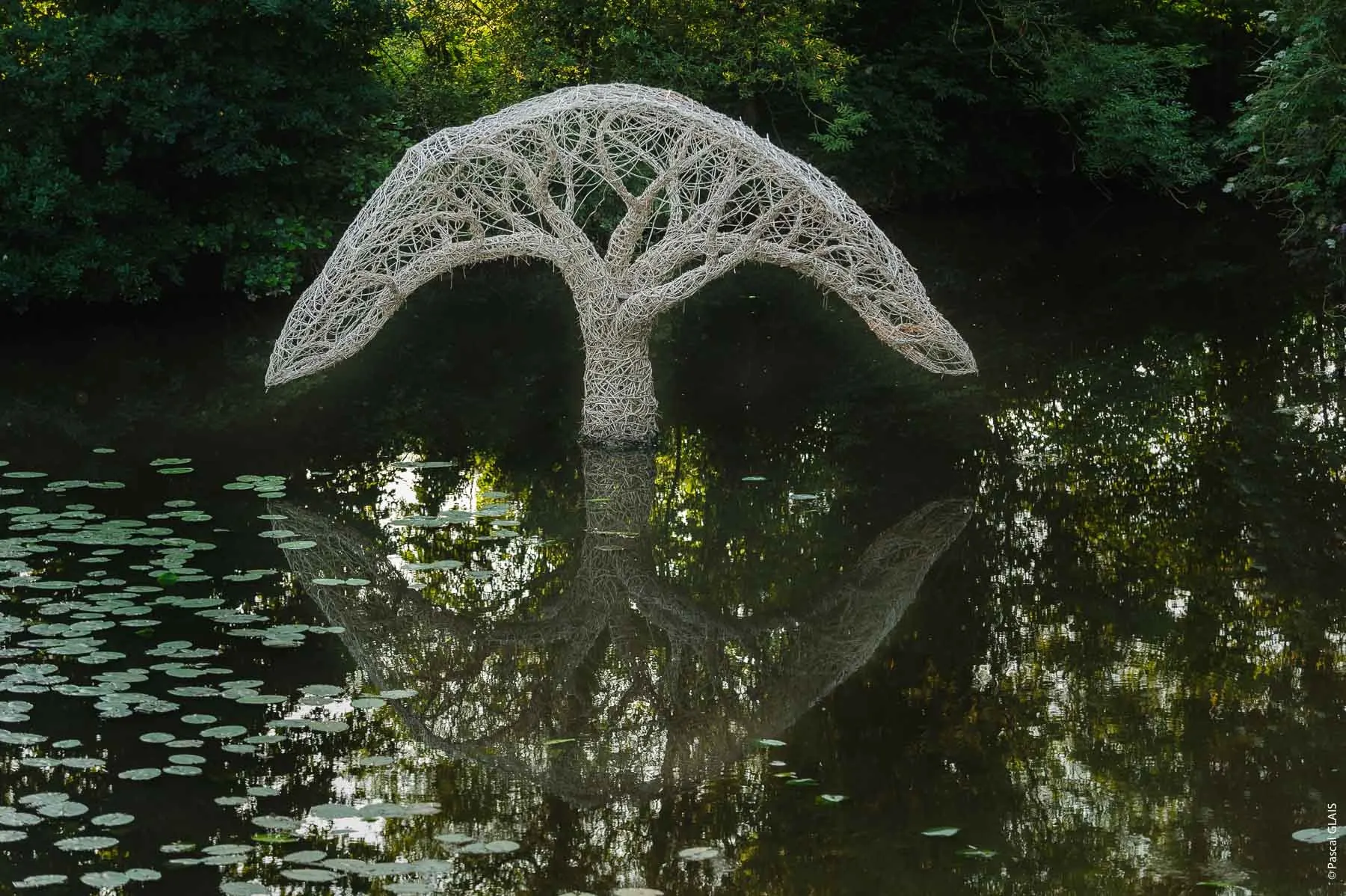
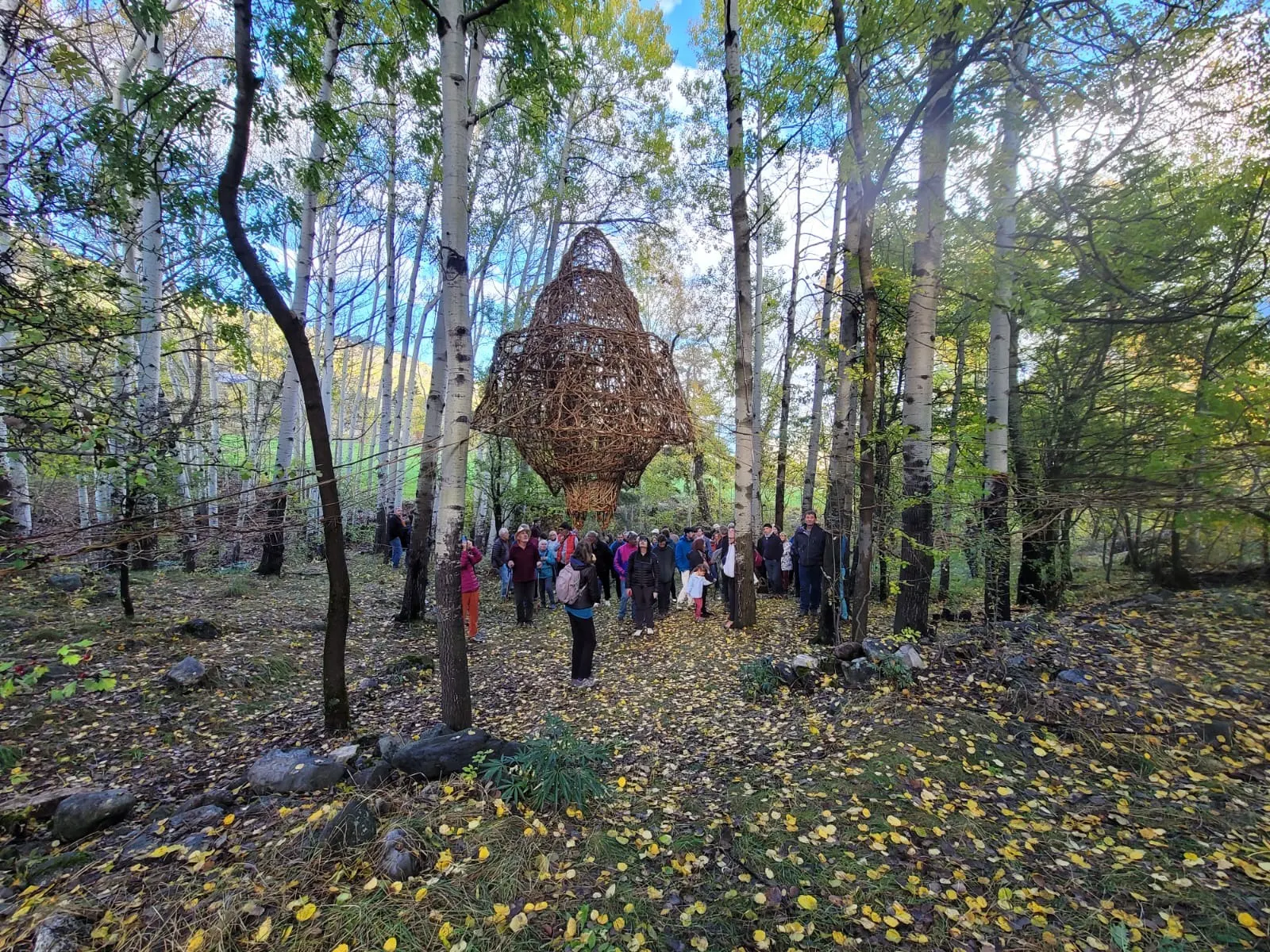
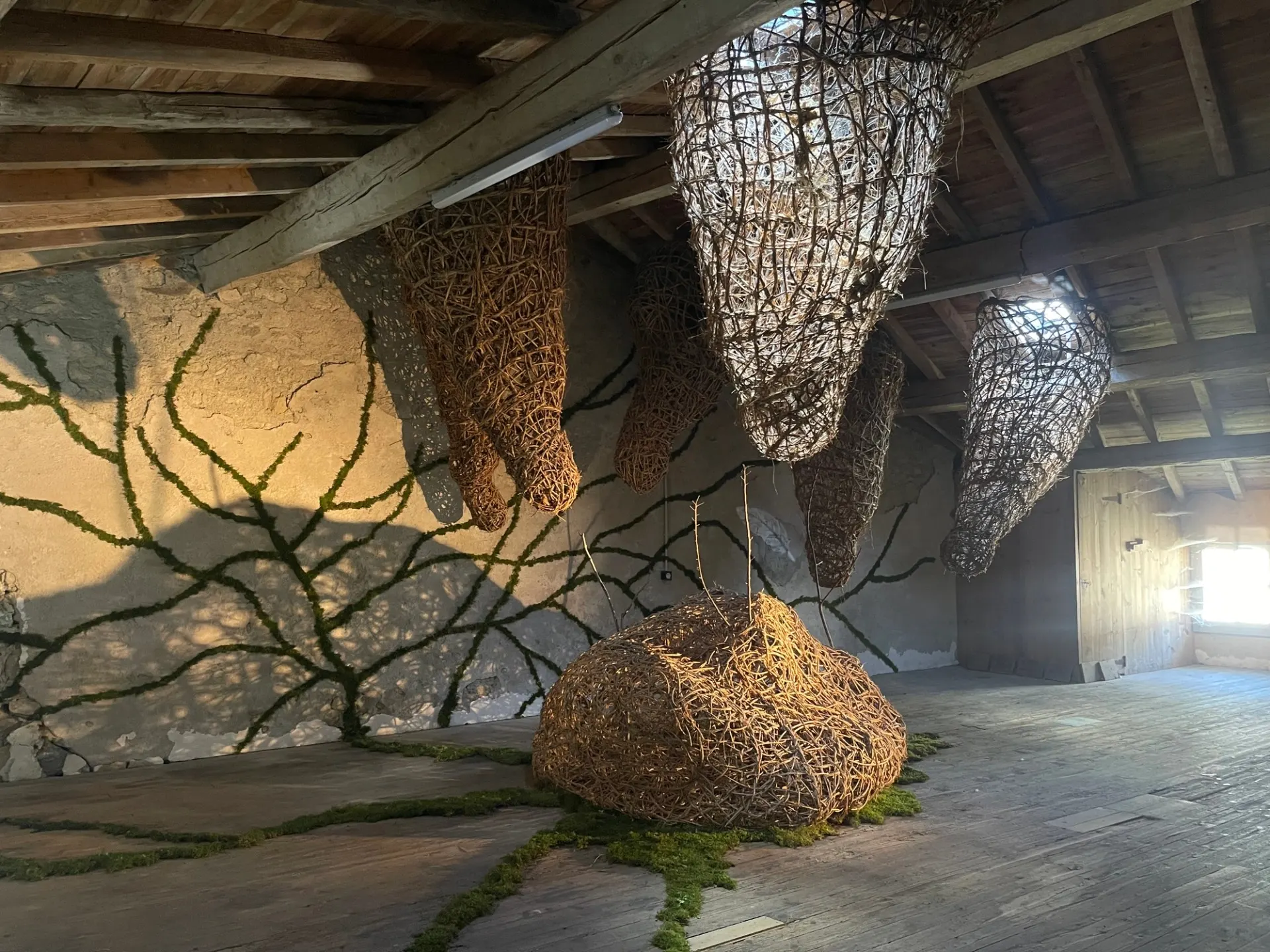
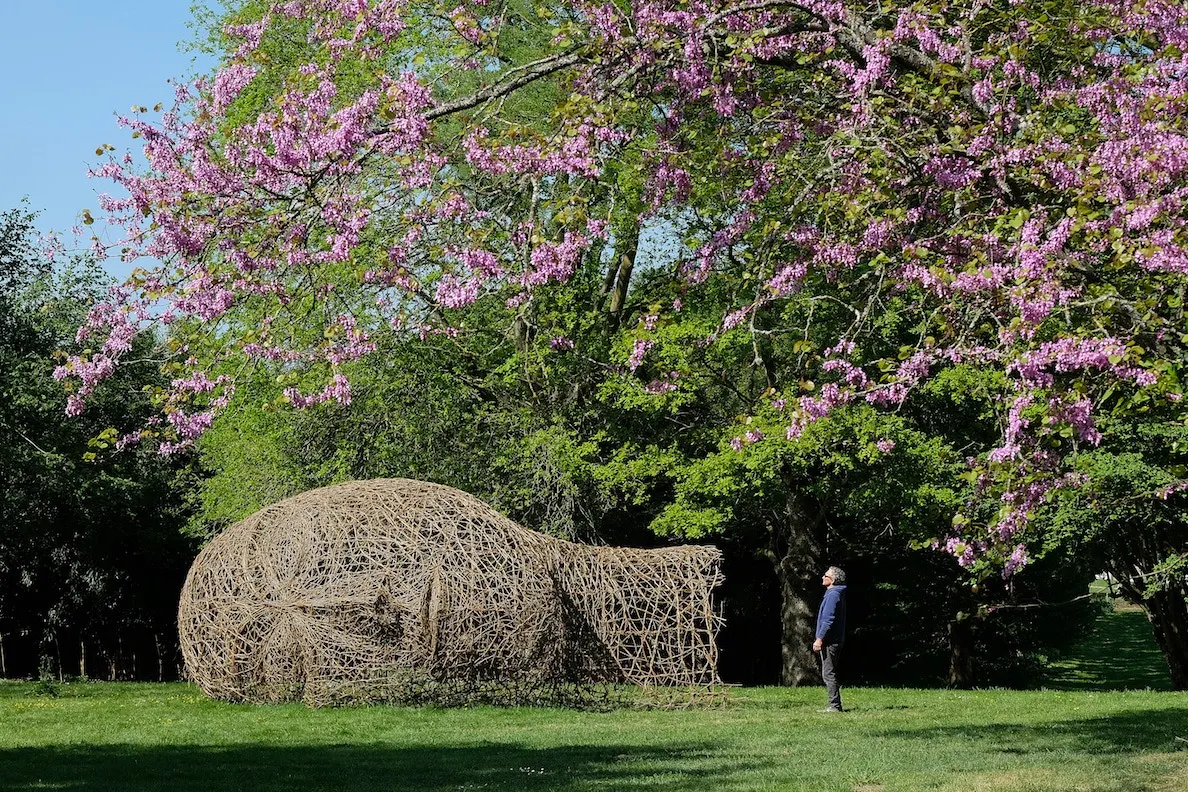
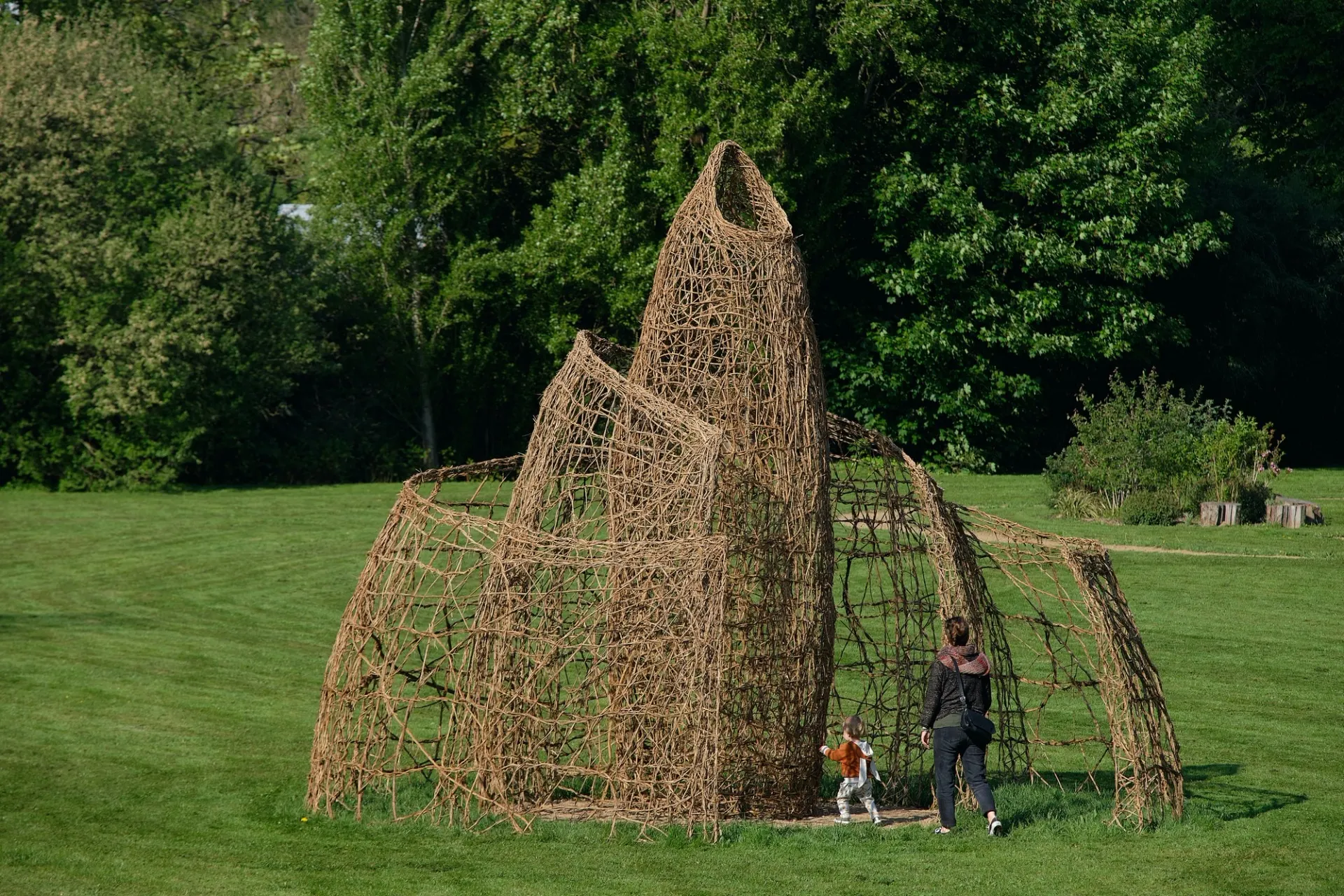
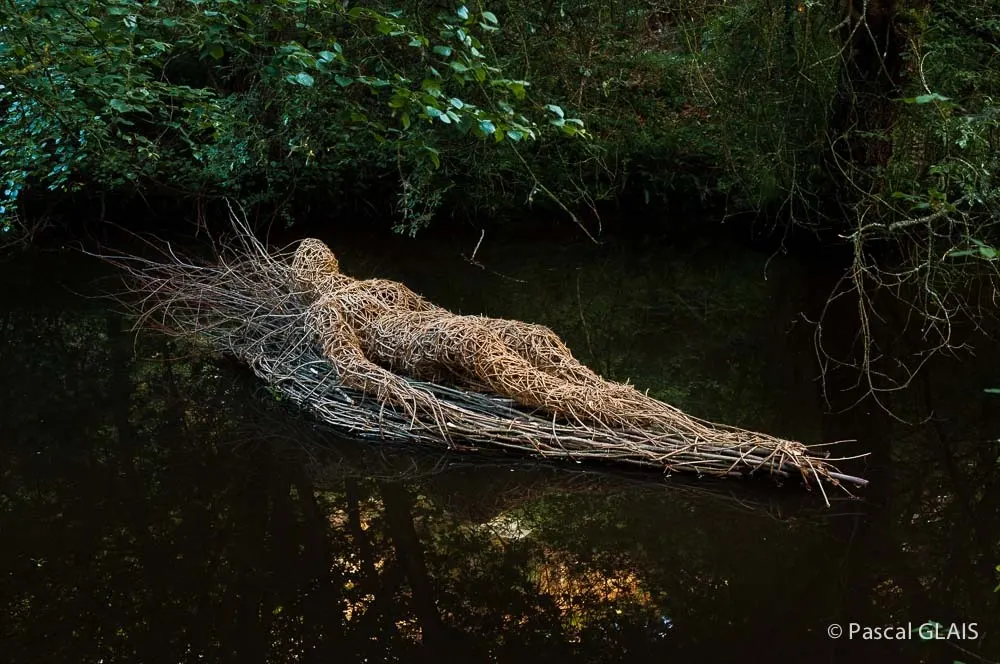
Sculptures tell many stories. It seems obvious, yet it took me time to hear their small voices, multiple, confused, dishevelled, barely audible. First, of course, you have to learn the language of the vines. After some twenty years I know two or three basic idioms by heart, perfectly attuned to the plant pleadings of the material I work with.
It begins with the letter O, which means Open: open your gestures from a circle, as if you had always held it in your hands. Then come the straight sounds, like the I of iris and of every line that must cross the inside of the circles. Curves, lines and weaves: the clematis whispers to me a graphic alphabet for drawing spaces, outdoors.
Often there is wind, it is autumn or it is Sunday, once there are wasps, one evening I can no longer see a thing, night has already come. Leaves lift and catch on the great plant body I am sculpting; it seems to throb gently under the moon, telling an infra-story of the senses. About the air. The great invisible body of the air: that is what you touch, with vines between your hands.
I cannot remember which of my sculptures first raised its voice with me. It was not unpleasant, but it was not simple either, as if the form taking shape really knew far more than I did about what makes a volume become a pole of understanding for the space around it.
The advantage of clematis sculptures is that you see everything through them; the landscape passes through them. Where is the inside? Where is the outside? Which contains the other? The forms created answer that they are simply membranes of air, of vines, of transparencies and of light. Like the envelopes of a secret life halfway between humans, landscapes and their mineral and plant components.
Empty spheres, bald bushes, transparent rocks, a throne on the water, giant bodies... All of it to decipher what we call nature, to give it another legibility. Each time as if I were stripping it of the old rags of my gaze. Each time as if I were going to look under nature's skirts, inside bodies too, in search of structural elements.
— Corinne Aguzou